When choosing the right flooring for your home, the options are vast. From the authentic warmth of wood to the ease of maintenance of vinyl, each flooring type offers distinct advantages and drawbacks. Ecohardwood engineered oak floors stand out for their durability, eco-friendliness, and classic aesthetic. In this article, we’ll compare engineered oak with vinyl, tiles, carpet, laminate, and solid hardwood floors to help you decide which option best suits your needs.
Engineered Oak Floors
Pros:
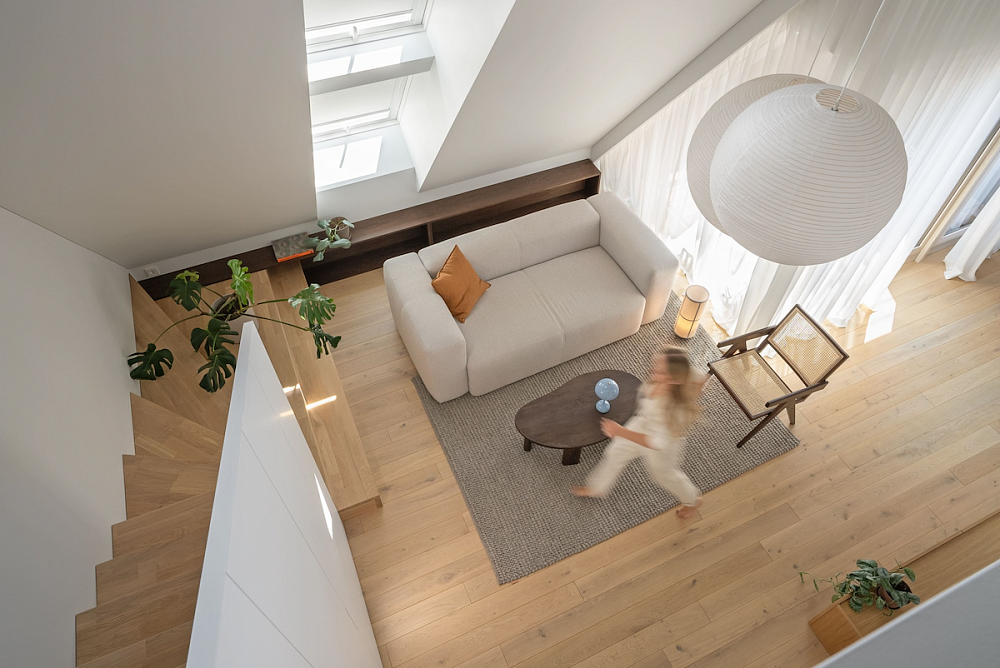
- Natural Look and Feel: Ecohardwood engineered oak floors offer the look and feel of solid wood with a more sustainable approach. Oak’s natural grain patterns and warmth bring a timeless elegance that works well in nearly any room.
- Eco-Friendly: Made from natural wood layers topped with a solid oak, Ecohardwood floors use less oak than traditional solid hardwood, making them a more sustainable choice.
- Durability: Engineered oak is designed to withstand temperature and humidity fluctuations, making it less prone to warping than solid hardwood. It’s suitable for kitchens and even bathrooms.
- Easy Maintenance: Regular sweeping and occasional mopping keep the floor looking fresh. Ecohardwood engineered floors can also be refinished and, with proper maintenance, can last decades.
Cons:
- Cost: Engineered oak typically costs more than vinyl, laminate, and carpet, yet it can be a more budget-friendly than premium solid hardwood. At Ecohardwood, we provide a range of options to fit various budgets. Additionally, investing in quality wood floors is a decision that pays off over time, offering enduring value and timeless appeal.
Vinyl Flooring
Pros:
- Affordability: Vinyl is often one of the most budget-friendly options and is available in various styles, including wood-look finishes.
- Water Resistance: Vinyl is waterproof, making it a good choice for bathrooms, kitchens, and basements.
- Low Maintenance: Vinyl is stain-resistant and easy to clean with regular sweeping and mopping.
Cons:
- Synthetic Feel: While vinyl can mimic the appearance of wood, it lacks the natural warmth and texture of engineered oak.
- Environmental Impact: Vinyl is made from synthetic materials, often containing PVC, which is not an environmentally friendly option and can also be harmful to humans and animals.
- Shorter Lifespan: Although durable, vinyl can wear out more quickly than engineered wood and doesn’t have natural wood's longevity or refinishing options.
Tile Flooring
Pros:
- Waterproof and Durable: The tile is waterproof and highly durable, making it ideal for high-traffic and moisture-prone areas like bathrooms and kitchens.
- Wide Range of Styles: Tile has numerous designs, textures, and colours, allowing for creative and unique flooring layouts.
Cons:
- Cold and Hard Underfoot: Tile can feel cold and hard, which may not be ideal for living rooms or bedrooms. It also lacks the warmth and natural aesthetic of oak.
- Higher Installation Costs: Tile installation is labor-intensive, requiring a skilled professional, which can increase costs.
- Potential Slippage: Some tile types can be slippery, which can be a hazard in households with children or elderly individuals.
Carpet Flooring
Pros:
- Comfort and Warmth: Carpet offers unmatched comfort, making it a cosy choice for bedrooms and living rooms.
- Sound Insulation: Carpet helps reduce noise, ideal for multi-story homes or apartments.
- Affordability: Carpet is generally affordable and available in various textures, colours, and patterns.
Cons:
- High Maintenance: Carpet requires regular vacuuming and professional cleaning to prevent dirt and stains from setting in.
- Lifespan: Carpet wears down more quickly than hardwood or tile, often showing signs of wear in high-traffic areas.
- Allergens: Carpet can trap allergens like dust and pet dander, which may not be ideal for allergy sufferers.
Laminate Flooring
Pros:
- Affordability: Laminate is typically more affordable than engineered oak or solid hardwood.
- Easy Installation: Many laminate floors have a click-and-lock installation system, making them suitable for DIY projects.
- Scratch Resistance: Laminate is generally scratch-resistant and durable
Cons:
- Less Authentic: Laminate mimics the look of wood but doesn’t offer the natural feel or quality of oak.
- Limited Water Resistance: Although some laminates are water-resistant, they’re generally not waterproof, making them less suitable for bathrooms.
- Non-Renewable: Laminate flooring cannot be refinished; once worn, it must be replaced entirely.
Solid Hardwood Flooring
Pros:
- Long Lifespan and Refinishing: Solid hardwood can be refinished multiple times, lasting decades if well-maintained.
- Natural Beauty: Solid wood has a timeless appeal and offers a wide variety of wood species, including oak, which can be highly customizable.
- Value Addition: Solid wood is often considered a premium feature, adding resale value to a home.
Cons:
- Cost: Solid hardwood is usually the most expensive flooring option due to material costs and labour-intensive installation.
- Susceptible to Humidity and Temperature Changes: Hardwood can warp or crack in high-moisture areas or fluctuating temperatures, making it less versatile than engineered oak.
- Higher Maintenance: Solid hardwood requires diligent maintenance, including regular polishing and possible refinishing.